
4 Lighting and Logistics Differences in ROM vs Pre-Wedding
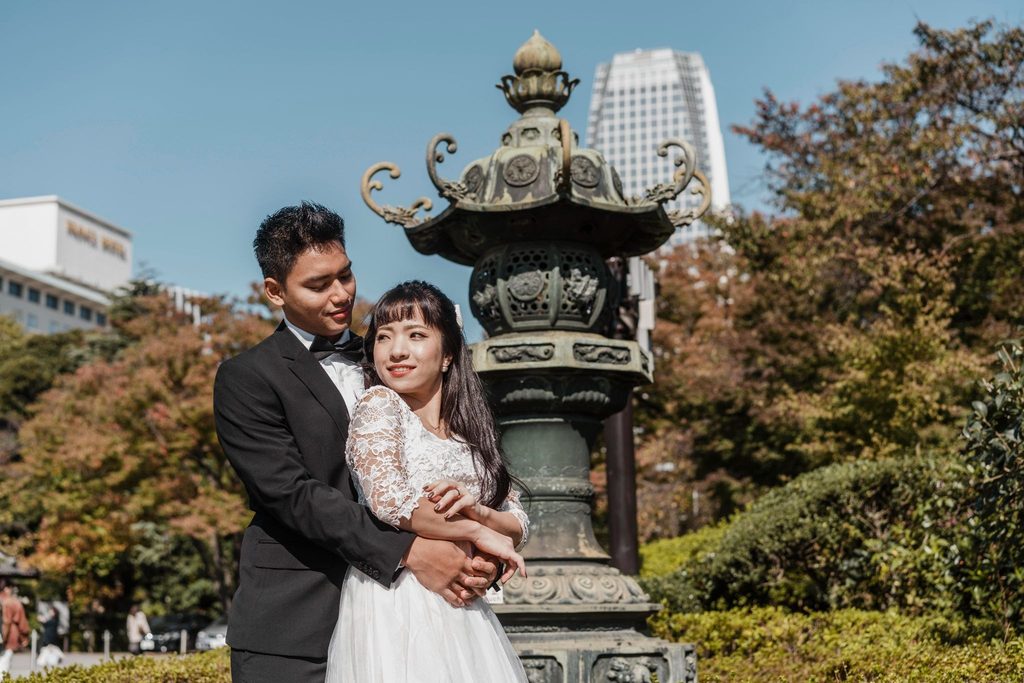
Couples frequently book both with the same photographer and assume the two sessions work the same way with different outfits. They do not, and the misunderstanding usually surfaces on the registry day when there is far less time than anyone expected and the light is whatever the appointment slot happened to give you. A pre-wedding photoshoot in Singapore is a planned creative session built entirely around the images. ROM coverage is documentary work wrapped around a legal appointment that will not move for anyone. Four differences explain why each needs planning on its own terms.
1. Who Controls the Timing, and Therefore the Light
Pre-wedding shoots are scheduled around light. A photographer picks the hour, works to golden hour at either end of the day, and builds the location sequence around where the sun will be.
ROM coverage has no such latitude. The appointment time is set by availability, frequently mid-morning or midday, which produces harsh overhead light at exactly the point when the couple steps outside for photographs. A photographer handling ROM photography in Singapore plans around that constraint rather than against it, using shade, interior spaces, and the building’s own architecture instead of waiting for light that will not arrive within the window available.
Couples choosing between appointment slots who care about photographs should ask their photographer which time would be preferable before confirming, since that is one of the few variables still open.
2. How Much Time Exists, and What Can Realistically Be Covered
Pre-wedding sessions run for hours and often across multiple locations, with room to retry a setup, change outfits, and wait for conditions to improve.
ROM coverage is compressed. The ceremony itself is brief, the registry has a schedule, guests have arrived for a specific window, and the usable time outside is frequently under an hour. Anything requiring travel, elaborate setup, or multiple attempts does not fit.
Agreeing a realistic shot list beforehand matters considerably more here than for a pre-wedding session, since there is no opportunity to extend the day.
3. Location Access, Permits, and What You Actually Control
Pre-wedding shoots involve chosen locations, and photographers plan access, permissions, and backup options in advance.
ROM venues come with their own rules about where photography is permitted, whether flash is allowed during the ceremony, where the photographer may stand, and what the surrounding area offers once the formalities finish. Those constraints are set by the venue rather than negotiable.
Ask the photographer whether they have worked at that specific venue, since someone who knows the building already knows which corners work, where the light falls, and what the staff will permit.
4. The Nature of the Images Themselves
Pre-wedding work is directed. Poses are set, expressions are coached, and the result is a constructed set of images reflecting a chosen aesthetic.
ROM coverage is largely reactive, capturing a ceremony as it happens alongside family groupings and a short portrait set. The emotional content is genuine rather than staged, which is the point, and it means a couple expecting the same polished, directed quality from both sessions will find the registry images read quite differently.
Planning Each Session on Its Own Terms
The practical approach is treating these as two separate briefs rather than one engagement with two dates. For the pre-wedding session, discuss aesthetic direction, locations, and timing around light. For the ROM, discuss the appointment time, the venue’s restrictions, who needs to be in the family groupings, and what is realistic in the available window.
Couples who brief both properly tend to be happier with the registry images in particular, because expectations match what the day allows rather than what a styled shoot can produce. Confirming the running order with the photographer a few days beforehand removes most of the remaining uncertainty.
Contact ABC Photography to plan both sessions around their different timing, venue, and lighting constraints.